
Personal development is the deliberate process of improving your skills, mindset, habits, and self-awareness to become a more capable, confident version of yourself. It’s not a one-time event or a New Year’s resolution; it’s a lifelong process that touches every part of your life, from your career to your relationships to your psychological health.
In this guide, we’ll break down exactly why personal development matters, walk through eight powerful, research-backed reasons to focus on it, and give you practical ways to start building momentum today. Whether you’re feeling stagnant or just want to keep growing intentionally, this article will show you where to begin.
What Is Personal Development?
Personal development refers to the ongoing process of improving your knowledge, skills, self-awareness, and habits to reach your full potential. It covers a wide range of areas: emotional intelligence, communication, career growth, psychological health, life skills, and mindset.
Unlike personality development, which focuses specifically on how you present yourself and interact with others, personal development is broader in scope. It includes everything from goal setting and self-discipline to building resilience and improving your work-life balance.
At its core, personal development is about becoming intentional. Instead of letting life happen to you, you deliberately shape who you’re becoming, one habit, one decision, one lesson at a time.
If you’re new to this concept, our personal development guide breaks down the fundamentals in more depth and is a great starting point before exploring the reasons below.
Why Is Personal Development Important?
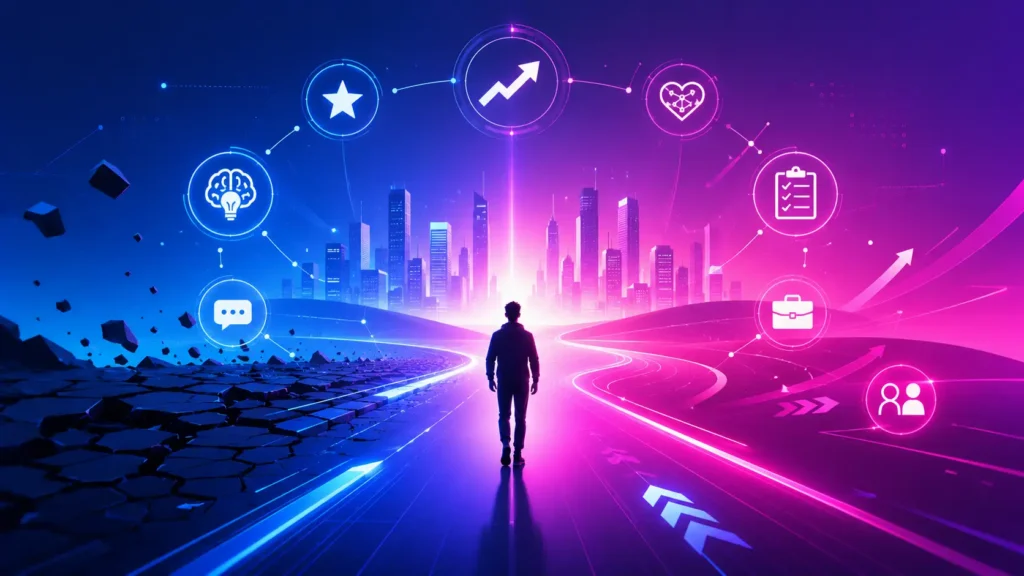
Personal development matters because it directly affects how you think, work, connect with others, and handle life’s unavoidable challenges. Without it, it’s easy to fall into stagnation, repeating the same patterns, evading discomfort, and settling for “good enough” instead of growth.
With intentional personal development, you build the self-awareness and skills needed to adapt, improve, and thrive no matter what life throws at you. According to Harvard Business Review, individuals who actively invest in consistent learning and self-improvement show greater career satisfaction and long-term success compared to those who remain stagnant in their roles.
Let’s break down the eight most powerful reasons personal development deserves a place in your daily life.
8 Powerful Reasons Personal Development Is Important
1. It Builds Self-Awareness
Self-awareness is the foundation of all individual development. You can’t improve what you don’t understand, and most people go through life without truly knowing their own strengths, weaknesses, triggers, and values.
Personal development pushes you to reflect through journaling, feedback, or quiet self-assessment so you can identify blind spots and make more intentional choices. The more self-aware you become, the easier it is to recognize unhealthy patterns and replace them with habits that actually serve you.
Useful tip: Spend five minutes each evening journaling about one decision you made that day and why you made it. Over time, this builds a clearer picture of your own thought patterns.
2. It Strengthens Emotional Intelligence
Emotional intelligence, the ability to recognize, understand, and manage your emotions while empathizing with others, is one of the strongest predictors of both individual and professional success.
People with high emotional intelligence tend to handle conflict better, form stronger relationships, and stay composed under pressure. Personal development activities like mindfulness, active listening practice, and reflective journaling all directly strengthen this skill.
3. It Accelerates Career Growth
Employers today value soft skills like adaptability, communication, and leadership just as much as technical expertise. In fact, a well-known World Economic Forum report on future job skills consistently ranks self-management, resilience, and persistent learning among the top skills needed for career success.
Investing in personal development means you’re constantly upgrading your ability to lead, communicate, solve problems, and adapt, all of which make you more valuable in any workplace, regardless of industry.
Real-world example: Someone who dedicates just 20 minutes a day to learning a new skill — whether it’s public speaking, negotiation, or team leadership — builds a measurable edge over colleagues who stay static in their roles.
4. It Improves Psychological Well-Being
There’s a strong link between self-improvement and mental health. When you set goals, build self-discipline, and make progress, even little progress, it creates a genuine feeling of purpose and accomplishment.
Personal development additionally equips you with the means to manage stress, reshape negative thinking, and build resilience. Instead of feeling like life is happening to you, you start to feel more in control of your own outcomes, which greatly reduces anxiety and overwhelm.
5. It Builds Endurance and Flexibility
Life doesn’t go according to plan ever. The difference between people who crumble under setbacks and those who recover stronger usually comes down to resilience, a skill built via consistent personal development.
By regularly stepping outside your comfort zone, reflecting on failures, and adjusting your approach, you train yourself to handle uncertainty with a growth mindset rather than a fixed one. This means viewing difficulties as opportunities to learn rather than threats to avoid.
6. It Strengthens Relationships
Personal development isn’t just an inward-facing process; it directly improves how you show up for others. As your communication skills, empathy, and self-awareness grow, so does the quality of your relationships.
You become a better listener, a more patient partner, and a more encouraging friend. Many relationship conflicts stem from poor communication or unmanaged emotions, both of which improve significantly via consistent self-development work.
7. It Increases Productivity and Focus
Personal development often includes building better habits around time management, goal setting, and self-discipline, all of which directly boost productivity. When you understand your own energy patterns, priorities, and distractions, you can structure your day around what actually matters.
Small, consistent personal development habits like planning your top three priorities each morning compound into significant productivity gains over weeks and months.
Want a deeper exploration of daily habits that build momentum? Check out our list of self-development activities for practical exercises you can start using immediately.
8. It Creates Long-Term Fulfillment
Perhaps the most powerful reason of all: personal development leads to genuine, lasting fulfillment. Chasing external validation, money, titles, and approval often leaves people feeling empty, even after they “succeed.”
Self-development shifts the focus inward. You start measuring success by how much you’ve grown, how aligned your actions are with your values, and how much positive impact you’re creating, not just by outside accomplishments. That internal alignment is where real, sustainable fulfillment comes from.
Key Areas of Personal Development
Personal development isn’t limited to one dimension of life. Here are the core areas most people focus on:
- Mental development — Critical thinking, persistent learning, and knowledge-building
- Emotional development — Managing emotions and building emotional intelligence
- Social development — Communication, empathy, and relationship-building skills
- Spiritual development — Finding purpose, values, and meaning
- Physical development — Health, energy, and habits that support your general well-being
- Professional development — Career-specific skills, leadership, and expertise
Focusing on all six areas — rather than just one — creates a more balanced, sustainable form of growth.
How to Start Your Personal Development Journey
Ready to put this into action? Here’s a simple, practical roadmap:
- Get clear on your “why.” Identify what growth actually means to you and why it matters.
- Set specific, achievable goals. Vague goals like “be better” rarely stick—aim for measurable ones instead.
- Build one habit at a time. Trying to overhaul your entire life at once leads to burnout. Start small.
- Track your progress. Journaling or using a simple habit tracker keeps you accountable.
- Obtain feedback. Ask trusted people in your life how they see your growth — an outside perspective is priceless.
- Read and learn consistently. Books, podcasts, and courses accelerate your growth curve.
- Reflect regularly. Weekly or monthly meetings help you course-correct and recognize progress.
If you want more structure, explore our full Mindset & Motivation category and Habits & Productivity category for a complete library of resources to guide your journey.
Personal Development vs. Personality Development
These two terms frequently get used interchangeably, but they’re not quite the same:
- Personal development is the wider process—covering career growth, psychological health, life skills, and overall self-improvement.
- Personality development focuses specifically on your traits, communication style, and how you present yourself to others.
If you want to understand this distinction more deeply, our guide on personality development breaks down the types, stages, and real-life examples in detail.
Frequently Asked Questions
Why is personal development important?
Personal development is important because it builds self-awareness, strengthens emotional intelligence, accelerates career growth, and improves general mental well-being—helping you adapt and prosper through life’s challenges.
What are the benefits of personal development?
Main advantages include increased confidence, stronger relationships, better career opportunities, improved resilience, higher productivity, and long-term fulfillment.
What are the 8 reasons personal development matters?
The eight core reasons are building self-awareness, strengthening emotional intelligence, accelerating career growth, improving psychological health, building resilience, strengthening relationships, increasing productivity, and creating long-term fulfillment.
How do I start my personal development journey?
Start by clarifying your goals, building one habit at a time, tracking your progress, and seeking regular feedback from people you trust. Consistency matters more than intensity.
Is personal development a lifelong process?
Yes. Personal development doesn’t have an endpoint — it’s an ongoing process of learning, reflecting, and adapting throughout every stage of life.
What is the difference between personal development and professional development?
Personal development covers your overall growth — mindset, emotional intelligence, and life skills — while professional development focuses specifically on career-related skills and expertise.
Final Thoughts
Personal development isn’t about achieving a fixed goal — it’s about becoming a little better than you were yesterday, consistently, over time. Whether it’s building emotional intelligence, strengthening your relationships, or simply learning to manage stress more effectively, each little step compounds into meaningful, lasting change.
If you’re ready to keep building momentum, explore more practical resources in our Habits & Productivity and Mindset & Motivation categories — or learn more about what drives this content on our About page. Have questions or want to share your own growth path? Get in touch — we’d love to hear from you.
Growth starts with one intentional decision. Make today that day.

Pingback: How to Better Yourself: 30 Proven ways That Actually Work
Pingback: 15 Personal Development Tips From Top Life Coaches
Pingback: 50+ Best Skills to Learn Right Now to Boost Your Career
Pingback: Daily Tasks: How to Structure Your Day for Peak Output
Pingback: 50 Self Care Ideas to Restore Your Energy (2026 Guide)
Pingback: Emotional Health Examples: What It Looks Like in Real Life
Pingback: Self-Awareness Activities for Adults: Practical Toolkit
Pingback: How to Develop Yourself: A Step-by-Step Framework 2026
Pingback: What Are the three Types of Personal Growth? Best Guide 2026