
Personality development is the lifelong process of enhancing your character, communication style, emotional intelligence, and behavior to become a more well-rounded individual. It shapes how you think, how you interact with others, and ultimately, how far you go in life personally and professionally.
In this guide, we’ll break down what personality development really means, explore its core types and theories, walk through real-world examples, and give you practical tools to start growing today. If you’re serious about self-improvement, this is where it begins.
What Is Personality Development?
Personality development refers to the ongoing process of shaping and refining the qualities, behaviors, attitudes, and traits that make up who you are. It involves both nature (your inborn temperament) and nurture (your environment, upbringing, and experiences).
In simple words, personality development is how you consciously work on your communication skills, self-confidence, emotional intelligence, body language, and mindset to become a better version of yourself, someone who’s more capable of handling life’s challenges with grace and clarity.
Psychologically speaking, personality development is often described through frameworks such as Erik Erikson’s stages of psychosocial development or the Big Five personality traits model, which assesses openness, conscientiousness, extraversion, agreeableness, and neuroticism. These frameworks help explain why we behave the way we do and, more importantly, how we can grow beyond our default patterns.
Unlike character, which reflects your core moral values, personality is more fluid. It’s shaped by habits, social skills, and self-awareness, all of which can be intentionally developed over time.
Why Personality Development Is Important
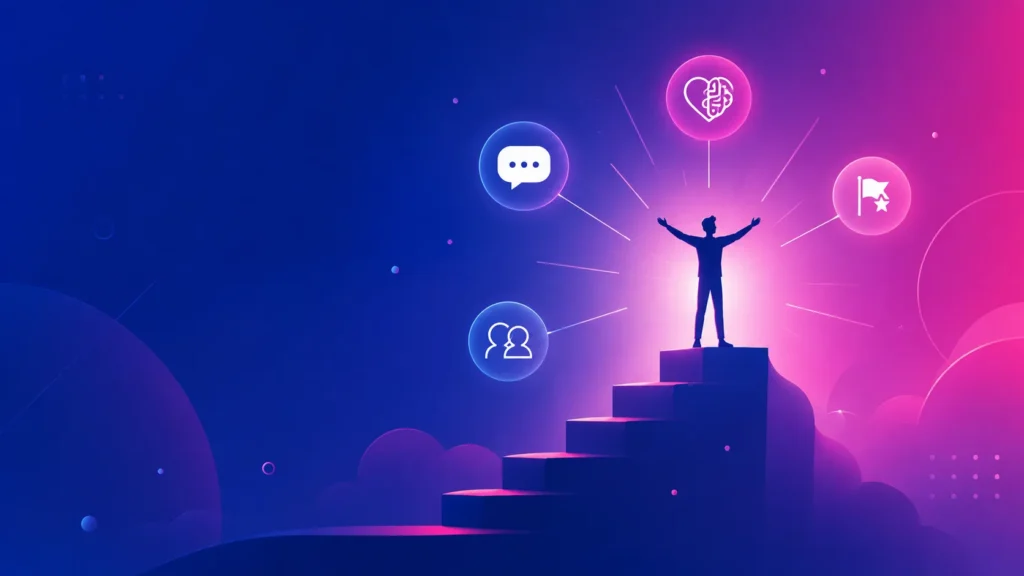
Your personality directly affects your relationships, career growth, mental well-being, and how confidently you show up in the world. Here’s why it matters:
- Builds self-confidence — A developed personality helps you trust your own decisions and voice.
- Improves communication skills — You learn to express yourself clearly and listen actively.
- Strengthens interpersonal skills — Better personality traits mean healthier relationships at home, work, and in social settings.
- Boosts career growth — Employers value soft skills like leadership, adaptability, and emotional intelligence as much as technical expertise.
- Enhances emotional intelligence — You become better at managing stress, building empathy, and resolving conflicts.
- Increases resilience — A strong personal growth journey helps you bounce back from setbacks faster.
According to the American Psychological Association, personality traits remain relatively stable over time but can still evolve through deliberate effort, life experiences, and changes in social roles, which is exactly why personality development is a lifelong pursuit, not a one-time fix.
Types of Personality Development
Personality development isn’t a single, one-size-fits-all process. It happens across different dimensions of who you are. Here are the main types:
1. Physical Personality Development
This includes body language, posture, grooming, and overall physical presence. How you carry yourself often forms someone’s first impression of you — before you even speak a word.
2. Social Personality Development
This focuses on your social skills — how you interact, build relationships, network, and communicate in group settings. Strong social development means you can adapt your communication style depending on the audience.
3. Emotional Personality Development
This type centers on emotional intelligence: your ability to recognize, understand, and manage your own emotions while empathizing with others. It’s one of the most important predictors of long-term success and healthy relationships.
4. Intellectual Personality Development
This involves expanding your knowledge, critical thinking, and problem-solving abilities. Reading, learning new skills, and staying curious all contribute to this dimension.
5. Attitudinal Personality Development
This is about your mindset — how optimistic, resilient, and growth-oriented you are when facing challenges. A positive, adaptable attitude is often what separates people who thrive from those who stay stuck.
6. Personality Types Based on Psychological Models
Beyond these developmental types, psychologists also classify personality based on trait models:
- The Big Five personality traits: Openness, Conscientiousness, Extraversion, Agreeableness, and Neuroticism.
- Myers-Briggs personality types: A 16-type framework (like INFJ or ESTP) based on how people perceive the world and make decisions.
- Introvert vs extrovert: One of the most commonly discussed personality spectrums, describing where you draw your energy from — solitude or social interaction.
Understanding which personality types resonate with you can help you tailor your personal development activities more effectively.
Stages of Personality Development
Personality doesn’t form overnight — it evolves through distinct life stages:
- Childhood (0–12 years) — Foundational traits form through family environment, attachment styles, and early social experiences.
- Adolescence (13–19 years) — Identity exploration, peer influence, and self-esteem development take center stage.
- Early Adulthood (20–35 years) — Career choices, relationships, and independence shape core personality traits further.
- Middle Adulthood (36–60 years) — Personality stabilizes, but continued self-growth is possible through conscious effort.
- Late Adulthood (60+ years) — Wisdom, reflection, and emotional regulation often deepen.
This is why factors affecting personality development include genetics, upbringing, culture, education, life experiences, and the people you surround yourself with the classic “nature vs nurture” debate.
Key Skills for Personality Development
If you want to actively work on your personality, focus on building these core skills:
- Communication skills — Both verbal and non-verbal (body language)
- Self-awareness — Understanding your strengths, weaknesses, and triggers
- Emotional intelligence — Managing emotions and empathizing with others
- Confidence building — Trusting your abilities and decisions
- Leadership qualities — Taking initiative and guiding others
- Adaptability — Adjusting your mindset to new situations
- Active listening — Truly hearing others instead of just waiting to respond
- Time management — Prioritizing what matters and following through
These soft skills aren’t just nice-to-haves — they’re often what separates good candidates from great leaders in any workplace.
Real-Life Examples of Personality Development
Theory is great, but seeing personality development in action makes it click. Here are a few relatable, real-world examples:
Example 1: The Shy Employee Who Became a Confident Speaker. Sarah used to avoid speaking up in meetings out of fear of judgment. Through consistent practice joining a public speaking group, reading body language cues, and reframing her mindset around failure she became her team’s go-to presenter within a year. That’s personality development driven by confidence building and self-awareness.
Example 2: The Overthinker Who Learned Emotional Regulation James struggled with anxiety and reactive decision-making. By practicing mindfulness and working on emotional intelligence, he learned to pause before reacting, which improved both his relationships and his leadership at work.
Example 3: The Introvert Who Built Strong Interpersonal Skills. Not every personality development story is about becoming an extrovert. Many introverts develop their personalities by deepening one-on-one connections, becoming excellent listeners, and leading through thoughtful, quiet confidence rather than loud charisma.
These examples prove one thing: personality development doesn’t mean changing who you are it means becoming a stronger, more intentional version of yourself.
How to Develop Your Personality: Step-by-Step
Ready to start your own personal growth journey? Here’s a practical roadmap:
- Start with self-awareness — Journal your strengths, weaknesses, and triggers.
- Work on your body language — Maintain eye contact, good posture, and open gestures.
- Practice active communication — Speak clearly, listen fully, and ask thoughtful questions.
- Build emotional intelligence — Learn to name your emotions and manage them constructively.
- Read consistently — Books on psychology, communication, and mindset accelerate growth.
- Step outside your comfort zone — Growth happens at the edge of discomfort, not inside it.
- Seek feedback — Ask trusted friends or mentors how they perceive you.
- Practice gratitude and positivity — A resilient mindset is a developed one.
- Set small, consistent goals — Personality development activities work best when they’re habitual, not occasional.
If you want a deeper breakdown of daily practices that build better habits and a stronger mindset, check out our guide to self-development activities for practical, actionable exercises you can start today.
You can also explore our full personal development guide for a broader roadmap on mindset and motivation.
Personality Development vs. Personal Development
These terms are often used interchangeably, but they’re not identical:
- Personality development focuses specifically on your traits, behavior, communication style, and how you present yourself to others.
- Personal development is an umbrella term that includes personality growth, career development, financial literacy, health, and life skills.
Think of personality development as one important piece of the larger personal development puzzle.
Personality Development in the Workplace and Career Growth
In today’s job market, technical skills alone won’t guarantee success. Employers increasingly prioritize soft skills like communication, adaptability, and emotional intelligence traits that are directly shaped by personality development.
A strong, well-developed personality can help you:
- Build stronger professional relationships.
- Handle workplace conflict with maturity.
- Lead teams with confidence and empathy
- Adapt to change without losing composure.
- Stand out in interviews and networking situations.
Whether you’re a student preparing for the job market or a professional aiming for leadership, investing in personality development directly fuels career growth.
Frequently Asked Questions
What is personality development? Personality development is the ongoing process of improving your traits, communication style, confidence, and emotional intelligence to become a more well-rounded, self-aware individual.
Why is personality development important? It’s important because it directly impacts your relationships, career success, mental well-being, and ability to handle life’s challenges with confidence and resilience.
Can personality be changed or developed? Yes. While core traits are relatively stable, research shows that personality can evolve through intentional effort, new experiences, and consistent habit-building over time.
What is the best age to start personality development? There’s no fixed age; personality development can begin in childhood and continue throughout adulthood. The earlier you start building self-awareness, the faster you’ll grow, but it’s never too late to begin.
What is the difference between personality and character? Personality refers to your outward traits, behavior, and communication style, while character reflects your inner moral values, ethics, and principles. Personality can shift with practice; character tends to be more deeply rooted.
What skills come under personality development? Core skills include communication, self-awareness, emotional intelligence, confidence building, active listening, adaptability, and leadership qualities.
Final Thoughts
Personality development isn’t about becoming someone else; it’s about becoming a clearer, more confident version of who you already are. It’s a lifelong journey built on small, consistent choices: how you communicate, how you handle setbacks, and how intentionally you show up in your relationships and career.
If you’re ready to go deeper, explore more mindset and motivation resources in our Mindset & Motivation category or browse practical habits and productivity tips to keep building momentum. And if you’d like to learn more about what drives this content, visit our About page or get in touch — we’d love to hear from you.
Your personality is your most powerful, ever-evolving tool. Start shaping it, one small habit at a time.

Pingback: How to Better Yourself: 30 Proven ways That Actually Work
Pingback: 50+ Best Skills to Learn Right Now to Boost Your Career
Pingback: 15 Personal Development Tips From Top Life Coaches
Pingback: Best Personality Characteristics:Definition,Types & Examples
Pingback: 7 Proven Ways to Build Executive Presence | 2026 Guide